

At Hidden Ravines Dental in Powell, our team understands how much missing teeth can affect your confidence, comfort, and overall oral health. Dental implants are one of the most advanced and reliable solutions available for replacing missing teeth. When a tooth is lost, the surrounding bone and nearby teeth can begin to shift, which may lead to changes in your bite and increase the risk of future oral health problems.
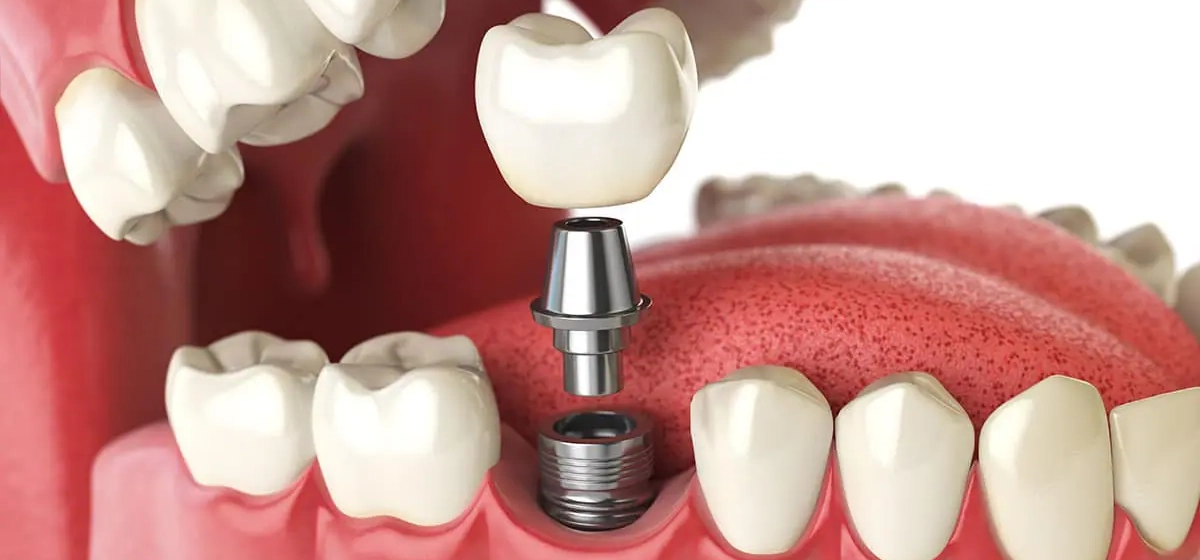
Dental implants are designed to replace the root of a natural tooth. During implant placement, a small titanium post is positioned in the bone of the jaw. Over time, the implant bonds with the surrounding bone tissue through the healing process. This connection creates a strong foundation for a dental prosthesis such as a crown.
Dr. Janet Wolery and the Hidden Ravines Dental team carefully evaluate each patient’s needs and create a personalized treatment plan for dental implant therapy. Many dental professionals recommend implants because they provide long-term stability and support for replacement teeth. According to organizations such as the American College of Prosthodontists, millions of people in the United States experience tooth loss, and dental implants have become a reliable treatment option for restoring both function and appearance.
Understanding Dental Implants
If you are looking for a permanent solution to a missing tooth or teeth, dental implants may be an option for you. Dental implants are both comfortable and stable. They are fused to your jaw bone, making them feel, look, and function like a regular tooth.
Missing teeth are more than just a cosmetic inconvenience. When an adult tooth is lost, the remaining teeth around it can shift and change positions. This can lead to alignment issues and can hurt your bite. The bone around the missing tooth can also begin to disintegrate. This can result in infection and further dental issues.
Implants are made from titanium and attached to the jaw to act as a base for dental crowns. Dental crowns are made to look just like your natural teeth. Dental implants can be used to replace a single tooth or even several missing teeth. They do not need to be removed, and stay in your mouth permanently. Unlike dentures, they do not need adhesives to stay in place.
Many people find dental implants more comfortable than dentures or other tooth replacement options. Unlike dentures, they do not slide around when eating or talking and are permanently fixed in the jaw. With dentures, the wearer may also suffer bone loss. This is not a risk with dental implants, which help preserve the jaw bone. With proper care, implants can last for many years. Caring for dental implants is simple; brushing, flossing, mouthwash, and regular visits to the dentist are all they require.
In addition to looking like your regular teeth, dental implants can also help fill out the face. Many people with missing teeth report a “sunken” look in their faces. Implants can combat this effect and restore your face’s healthy and full appearance.
Why Replacing Missing Teeth Is Important
Tooth loss can affect much more than appearance. When a natural tooth is lost, the surrounding bone can weaken because it no longer receives stimulation from the tooth root. Over time, this loss of bone tissue may affect the shape of the jaw.
Missing teeth can also affect the alignment of nearby teeth. Adjacent teeth may drift into the empty space, which can change how the teeth meet when biting or chewing.
Replacing missing teeth helps protect oral health by maintaining the surrounding bone and preventing unnecessary movement of nearby teeth. Dental implant therapy offers a stable solution that closely mimics the structure and function of a natural tooth.
Types of Dental Implants
Dentists may recommend different types of implants depending on the patient’s needs and the condition of the jawbone.
Common implant options include:
- Single tooth implant: A single implant replaces one missing tooth and supports a crown placed on the top of the implant.
- Implant-supported bridge: Implants may support a fixed bridge that replaces several missing teeth without relying on adjacent teeth.
- Implant-supported denture: In some cases, implants can stabilize a removable denture for improved comfort and stability.
- Zygomatic implants: These specialized implants may be used when the upper jaw has severe bone loss and traditional implants are not possible.
Your dentist will evaluate your oral health and determine the most appropriate type of dental implant for your situation.
The Dental Implant Procedure
The dental implant procedure is completed in several stages to allow proper healing and long-term stability.
Steps in the process often include:
- Initial consultation: Your dentist reviews your oral health, medical history, and treatment goals to develop a personalized treatment plan.
- Tooth extraction: If a damaged tooth is still present, it may be removed before implant surgery.
- Bone graft if needed: Patients with bone loss may require a bone graft to strengthen the bone of the jaw before implant placement.
- Implant placement: During dental implant surgery, the implant is carefully placed into the surrounding bone.
- Healing period: The implant bonds with bone tissue during the healing process, creating a stable base.
- Final restoration: A crown or dental prosthesis is attached to the implant once healing is complete.
This step-by-step process helps ensure long-term success and stability.
Benefits of Dental Implants
Dental implants offer numerous benefits compared with other tooth replacement options.
Some advantages include:
- Improved oral health: Implants help maintain the surrounding bone and prevent shifting of adjacent teeth.
- Long-lasting results: With proper care, implants can last many years and often longer than traditional dentures.
- Better comfort: Unlike removable dentures, implants remain fixed in place.
- Natural appearance: Implant restorations are designed to match the color and shape of natural teeth.
- Improved quality of life: Patients often feel more confident eating, speaking, and smiling.
Because of these benefits, many patients choose implants instead of traditional dentures or other replacement options.
Long-Term Care for Dental Implants
Dental implants are designed to function like natural teeth, but they still require proper care to remain healthy and stable. Good oral hygiene helps protect the implant, the surrounding bone, and nearby teeth.
Maintaining a consistent oral care routine can reduce the risk of infection and help prevent complications such as dental implant failure. Patients who take a proactive approach to oral health often experience excellent long-term results.
Important care habits include:
- Daily brushing: Brushing at least twice per day helps remove plaque and bacteria from the implant and surrounding teeth.
- Flossing around the implant: Cleaning between teeth and around the implant prevents plaque buildup and supports healthy gums.
- Regular dental visits: Routine checkups allow dental professionals to monitor the implant and the surrounding bone structure.
- Healthy oral hygiene habits: Avoiding poor oral hygiene reduces the risk of inflammation and infection.
- Protecting the implant: Avoid chewing hard objects or grinding teeth to prevent unnecessary stress on the implant.
With proper care and routine dental visits, implants can continue supporting healthy teeth and strong oral health for many years.
Dental Implants FAQ
Many patients have questions before starting dental implant therapy. Learning about the procedure can help you feel more comfortable and confident about your treatment decision. The answers below address common questions patients often ask about dental implants.