
Explore Mini-Dental Implants in Powell
If you’re missing teeth but normal implants aren’t an option, mini-dental implants may be the solution. It’s important to get teeth replaced, not just for aesthetic reasons but for your oral health as well.
Patients in Powell looking for dependable dental care often want options that restore both function and appearance. At Hidden Ravines Dental, our team provides services that blend general dentistry and cosmetic dentistry to help patients address concerns like tooth loss, bone loss, and changes in jawbone density. Our goal is to help you understand your treatment options in a comfortable, relaxed atmosphere where questions are always welcome.
Losing a tooth can affect more than your smile. Missing teeth may change how you chew, speak, and care for your natural teeth. Over time, bone density in the jaw may decrease when a natural tooth root is no longer present. Because of this, replacing missing teeth can play an important role in protecting your overall health and maintaining your quality of life.
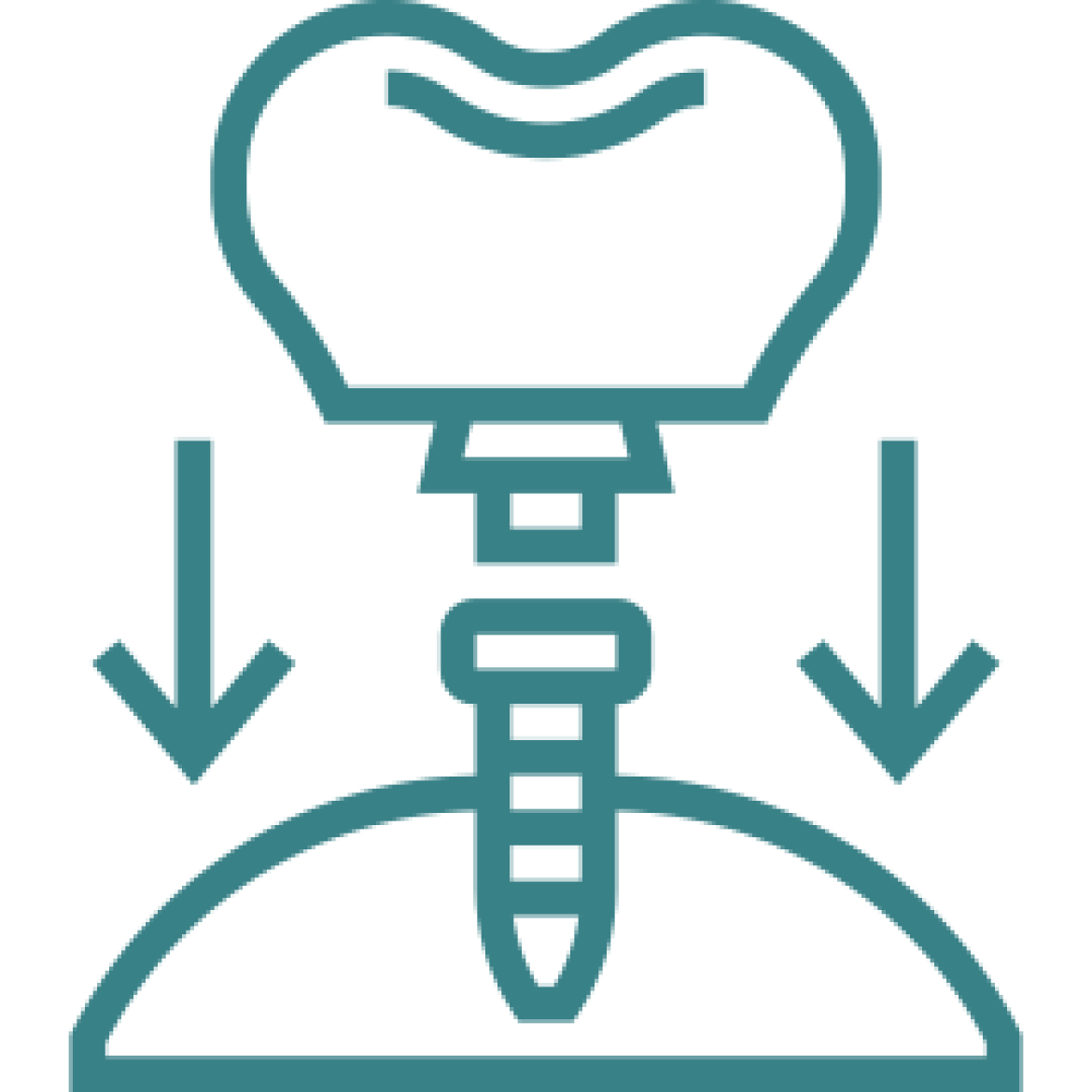
A mini-dental implant is a type of implant that is often used in the lower jaw to stabilize dentures. Housings with O-rings are placed over each mini implant. They are also used at times for single tooth replacements or even multiple tooth replacements with crowns or bridges made over them. Their design has two parts to it—a titanium post with a ball at the end. The crowns are then secured onto the ball and further secured with a rubber O-ring.
Mini-dental implants vs normal dental implants
Mini dental implants are different than normal implants because of their size and design. Compared to standard implants, mini dental implants are smaller. Normal implants have a diameter of greater than 3.1 mm, whereas most mini dental implants measure less than 3.0 mm in diameter.
Also, compared to the standard kind, mini dental implants are simpler in design. Where the traditional ones are designed with a post that has an abutment attached to it, which the crown then attaches to, MDIs consist of a post with a ball at one end and a rubber O-ring that secures the crowns.
Another main difference is that mini dental implants protrude over the gum surface when they are placed into the bone, and normal implants are placed under the gums.
Understanding the Mini Dental Implant Procedure
The mini dental implant procedure replaces missing teeth using a small implant post placed in the jaw. The process often involves fewer steps than traditional dental implants or conventional dental implants, which can require multiple stages.
During the dental implant placement, the dentist carefully positions a narrow implant post into the jawbone. Because of the smaller size, this treatment can sometimes be performed with a minimally invasive procedure using a local anesthetic.
Unlike many conventional implants, mini implants may not require bone grafting if the patient still has enough bone density. This can reduce the need for additional procedures before the implant is placed.
For many patients, the placement procedure provides immediate stability, allowing a replacement tooth or denture attachment to be placed soon after the implant is inserted.
Types of Implants Used to Replace Missing Teeth
There are several types of implants used in modern dentistry. Each option is designed to support different needs depending on the patient’s oral health, the amount of bone density, and the number of implants needed.
Standard dental implants or traditional implants are larger and may be recommended when there is strong jawbone density and enough space for a full-sized implant.
Mini implants, by contrast, have a smaller diameter and may be helpful when bone levels are reduced or the space between teeth is limited. Because of their design, they can sometimes be placed with less invasive surgery.
Both conventional implants and mini implants are designed to act similarly to a natural tooth root, helping to support a crown, bridge, or denture while maintaining the health of the surrounding bone.
Benefits of Mini Dental Implants
Understanding the benefits of mini dental implants can help patients decide whether they may be a good option for their needs.
One advantage is their smaller size. Because the implant is thinner than regular implants or standard dental implants, placement may require less drilling into the bone. This can make the procedure feel less complex than some forms of traditional implants.
Another benefit is the lower cost compared to many conventional dental implants. While costs vary based on the number of implants needed and the patient’s oral health, mini implants are often considered a great option for patients looking for a more affordable solution.
Mini implants are also widely used for denture stabilization, helping secure a full set of dentures so they stay more firmly in place during daily activities like eating and speaking.
Mini Implants and Denture Stabilization
Loose dentures can make everyday activities difficult. Many patients who wear a full set of dentures experience movement while chewing or speaking.
Mini implants are often used during the denture process to improve stability. Small attachments placed on the implants connect with housings inside the denture.
This form of denture stabilization helps keep the denture more secure. For many people, this added support can improve comfort and help restore confidence while eating or smiling.
Because the implants are narrow, fewer surgical steps may be needed compared with some conventional implants, making this approach a practical solution for many denture wearers.
Who May Be a Candidate for Mini Dental Implants
Mini implants may be recommended for patients dealing with tooth loss, reduced jawbone density, or limited space for larger implants.
Patients who may benefit include those who:
- Have experienced bone loss after a tooth extraction
- Do not have enough bone for traditional dental implants
- Want to stabilize dentures
- Need to replace a single missing tooth
Patients with certain oral health conditions, such as periodontal disease, may need treatment before any dental implant procedure. A dental exam helps determine whether mini implants are the best option or whether conventional dental implants might be recommended instead.
Mini Implants Compared to Traditional Dental Implants
When comparing mini implants to traditional implants, the most noticeable difference is the smaller diameter of the implant.
Traditional dental implants often require a larger opening in the bone and may involve bone grafting if there is not enough jawbone density. In some cases, this can lead to long wait times while the bone heals before the final replacement tooth is placed.
Mini implants may sometimes avoid these delays because the implant can be placed directly into available bone. The mini dental implant procedure may also involve less invasive surgery compared to some conventional implants.
However, each patient’s situation is unique. A consultation with Dr. Janet Wolery can help determine whether mini implants, standard dental implants, or another treatment is the right choice.
Caring for Your Mini Dental Implants
Proper care of your mini implants is important for maintaining long-term oral health.
Daily brushing and flossing help protect surrounding natural teeth and gums. Patients are often advised to use antibacterial mouth wash to help reduce bacteria around the implant area.
Regular dental visits are also important. Routine checkups allow the dentist to monitor the implants, examine the gums, and ensure the restoration remains stable.
Good oral hygiene and professional dental care help support the long-term success rate of implants. According to research supported by organizations such as the American Dental Association, dental implants in general have a high success rate when properly cared for.
What to Expect During the Implant Placement Process
The dental implant procedure usually begins with a consultation and exam. X-rays or digital scans help evaluate bone density, spacing between teeth, and overall oral health.
During the appointment, the implant is placed into the jaw using a local anesthetic. Because mini implants are smaller, the placement procedure may be completed in less time than some traditional dental implants.
In many cases, the implant can support a denture attachment or crown shortly after placement. This ability to provide immediate stability is one of the main reasons many patients explore this treatment.
At Hidden Ravines Dental, Dr. Janet Wolery and the entire team focus on helping patients feel comfortable and informed throughout the process.
Mini-Dental Implants vs Normal Dental Implants
Mini dental implants are different than normal implants because of their size and design. Compared to standard implants, mini dental implants are smaller. Normal implants have a diameter of greater than 3.1 mm, whereas most mini dental implants measure less than 3.0 mm in diameter.
Also, compared to the standard kind, mini dental implants are simpler in design. Where the traditional ones are designed with a post that has an abutment attached to it, which the crown then attaches to, MDIs consist of a post with a ball at one end and a rubber O-ring that secures the crowns.
Another main difference is that mini dental implants protrude over the gum surface when they are placed into the bone, and normal implants are placed under the gums.
Schedule a Mini-Dental Implants Consult Today
Mini implants may be a better alternative for medically compromised patients, those with smaller spaces to replace, and for financial reasons. Call our office today to schedule an initial exam and consultation.
Mini Dental Implant FAQ
Choosing a tooth replacement option can feel overwhelming. Many patients have questions about how mini implants work and whether they are the right solution for their needs. The answers below provide helpful information about treatment, recovery, and long-term care.