

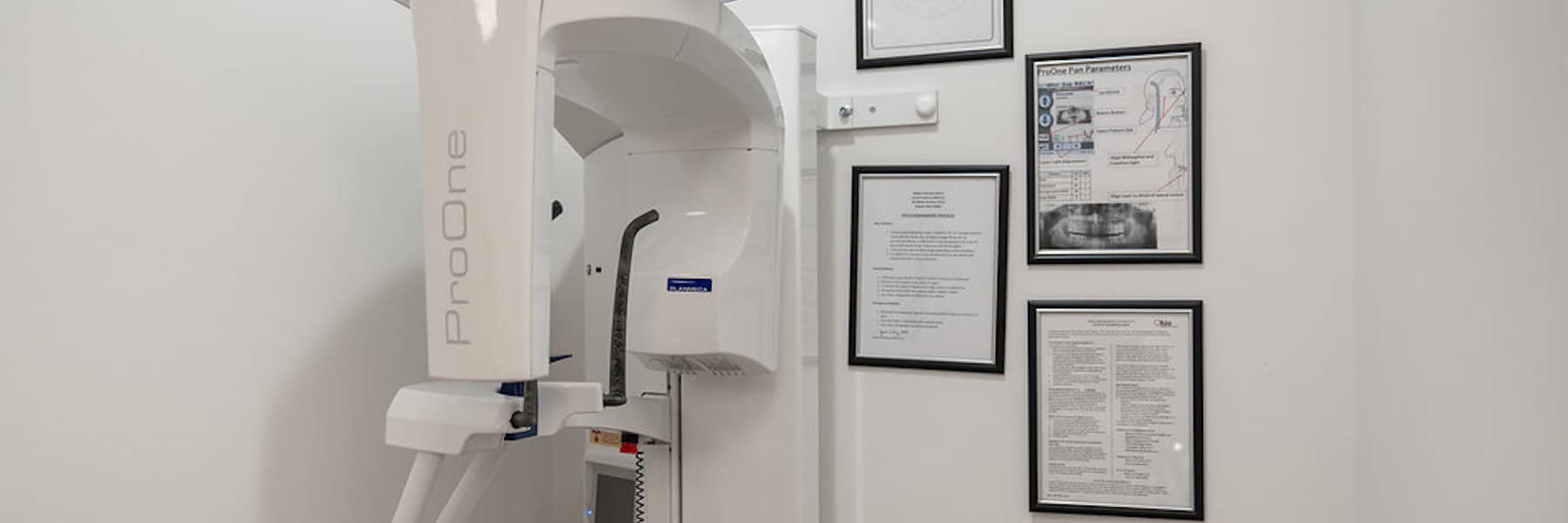
Advances in dental radiography have greatly improved how dental professionals diagnose and treat oral health concerns. In recent years, digital imaging systems have become an essential tool in general dentistry because they provide detailed views of the teeth, bone, and surrounding tissues.
Dental X-rays, also known as dental radiographs, allow dentists to examine areas that are not visible during a routine visual examination. While a dentist can inspect the teeth and gums with the naked eye, X-rays help identify hidden dental problems such as tooth decay, infections, and early signs of gum disease.
Modern X-ray systems capture clear images of your teeth, the jawbone, and other oral structures. These images help dentists evaluate the bone structure, check the tooth roots, and examine the surrounding bone structure for signs of damage or infection.
With the help of digital imaging, dental professionals can take a proactive approach to patient care. Identifying oral health concerns early allows dentists to recommend the most appropriate treatment before problems become more serious.
Advanced Dental X-Ray Technology for Accurate Diagnosis
As oral health professionals, we are constantly exploring new options in technology to help better care for our patients. Somewhat recently, the new standard in X-ray technology for the dental community has become digital X-rays.
Digital X-rays offer a variety of benefits. One of the most important is that digital radiography limits the patient’s exposure to radiation. Radiation can be dangerous in high doses, so limiting this exposure as much as possible is important to the overall health of the patient. The results of a digital X-ray are also instant just like a digital camera – they can be seen on a screen immediately after they are taken and analyzed right there at your appointment. These images can be projected onto a television screen, helping you to understand exactly what your dental situation is. This technology can lead to a quicker diagnosis and treatment plan.
Because they are digital, these dental X-ray images can also be saved on a computer, making them more efficient and convenient than previous X-ray methods. Your X-rays can be easily archived and pulled at any time for future use. Digital X-rays are better for the environment as they do not produce the same waste as traditional X-rays. They are also more cost-efficient over time – benefiting both the dentist and the patient. Also, the images taken via a digital X-ray can be altered slightly to help increase visibility, making them a useful diagnostic tool.
Why Dental X-Rays Are Important for Oral Health
Dental X-rays play a key role in protecting long-term dental health. Even when teeth appear healthy during a routine exam, problems may exist beneath the surface.
X-rays allow dentists to detect issues such as bone loss, infections near the tooth roots, and damage caused by dental trauma. These images also help identify early signs of dental disease before symptoms appear.
Dental radiographs are often used to evaluate:
- Tooth decay: X-rays can reveal cavities between teeth or beneath existing dental work that may not be visible during a visual exam.
- Gum disease: Images help dentists detect bone loss around teeth, which may indicate advanced gum disease.
- Wisdom teeth: X-rays show how wisdom teeth are positioned and whether they may cause crowding or infection.
- Orthodontic concerns: Imaging helps guide planning for orthodontic treatment by showing alignment and jaw development.
- Hidden infections: X-rays can detect abscesses or problems inside the tooth that may require root canals.
By identifying these concerns early, dentists can recommend the most effective dental treatment and protect the patient’s overall oral care.
Benefits of Digital Dental Radiography
Digital imaging technology has many advantages compared with traditional methods of dental X-ray imaging.
Some of the most important benefits include:
- Lower radiation exposure: Digital systems produce less radiation, reducing the amount of radiation patients receive during imaging.
- Improved image quality: High-resolution images help dentists examine teeth, bone, and soft tissues more clearly.
- Faster results: Images appear immediately on a computer screen, allowing dentists to review them during the same dental exam.
- Better diagnosis: Clear images support more accurate identification of oral health problems.
- Convenient storage: Digital files can be stored electronically and easily accessed in the long run.
Because of these advantages, digital X-rays have become the standard in many modern dental practices across the United States.
Types of Dental X-Rays
Dentists use several types of X-rays depending on the area of interest and the purpose of the exam.
Common types of dental X-rays include:
- Bitewing X-rays: These images capture both upper and lower teeth at the same time and help detect cavities between teeth.
- Periapical X-rays: These provide a detailed view of a particular tooth, including the crown and the tooth roots.
- Panoramic X-rays: This type captures an image of the entire mouth, including the jawbone, sinuses, and wisdom teeth.
- Cone beam CT imaging: Advanced scans known as cone beam computed tomography provide three-dimensional images of oral structures and the surrounding bone.
Advanced imaging methods such as cone beam CT are often used when planning procedures like dental implants or evaluating complex dental conditions.
Safety Measures During Dental X-Rays
Safety is a top priority when taking dental X-rays. Modern technology uses low levels of radiation, and dental professionals follow strict guidelines to protect patients.
Some common safety precautions include:
- Lead apron: Patients wear a protective lead apron to shield the body and protect sensitive areas such as the thyroid gland.
- Digital sensors: A small digital sensor replaces traditional film, helping reduce the level of radiation used.
- Careful positioning: Dentists focus the X-ray beam on the area of interest to avoid unnecessary radiation exposure.
- Monitoring radiation doses: Modern equipment uses the lowest effective radiation doses needed to capture clear images.
According to the American Dental Association, dental X-rays expose patients to only very low levels of radiation, making them safe when used appropriately.
When Dental X-Rays Are Recommended
Dental X-rays are often taken as part of your exam, especially for new patient visits or when a dentist suspects hidden dental problems.
Situations where X-rays may be recommended include:
- Routine dental exams: X-rays help evaluate the present oral health and detect early problems.
- Tooth pain or infection: Imaging helps dentists determine whether problems exist inside the tooth or surrounding bone.
- Planning dental procedures: X-rays guide treatments such as dental implants, orthodontic care, or root canals.
- Monitoring dental work: Dentists may review X-rays to evaluate fillings, crowns, or other previous dental work.
X-rays help dental professionals develop treatment plans based on a patient’s current condition and long-term oral health goals.
What to Expect During a Dental X-Ray Appointment
Taking dental X-rays is a quick and comfortable process. Most patients require no special preparation before the procedure.
During the appointment, you may be asked to remove metal objects such as earrings or glasses that could interfere with the image. A small sensor or film will be placed inside the mouth while the X-ray image is taken.
You may also bite gently on small positioning devices known as biting pieces to help hold the sensor in place. These tools help ensure the images capture the correct angle of the teeth and jaw.
The entire process usually takes only a few minutes and is an important part of maintaining strong oral health.
Advanced Imaging for Complex Dental Care
In some cases, dentists may recommend advanced imaging technology such as cone beam computed tomography. This type of imaging provides detailed three-dimensional views of the jaw and surrounding tissues.
Cone beam scans can help dentists evaluate:
- Bone density: Important when planning procedures such as dental implants.
- Jaw alignment: Useful when planning orthodontic treatment.
- Complex infections: Imaging can reveal hidden infections near tooth roots or bone structures.
- Dental trauma: CT scans may show fractures or damage not visible on standard X-rays.
This technology allows dentists to better understand the patient’s anatomy and develop more accurate treatment plans.
Dental X-Ray Technology FAQ
Many patients have questions about dental X-rays before having them taken. Understanding the purpose and safety of these images can help you feel more comfortable during your visit. The answers below address some of the most common questions about dental radiography.