
Oral health concerns sometimes require more than routine dental care. In certain cases, minor oral surgery may be recommended to treat infection, remove damaged tissue, or protect surrounding teeth. These procedures are common in dentistry and are often completed quickly in a dental office.
At Hidden Ravines Dental in Powell, OH, our team provides a wide range of dental services designed to help patients maintain healthy teeth and gums. When necessary, minor surgical procedures can help treat oral health problems and restore normal function.
Many minor oral surgery procedures can be safely performed by a general dentist. Treatments such as wisdom tooth extraction, removal of a tooth, or soft tissue surgery are often completed using local anesthesia during a single visit. Our goal is to protect your oral health, relieve discomfort, and support your long-term quality of life.
Understanding Minor Oral Surgery in Dentistry
Minor oral surgery refers to procedures that treat conditions affecting the teeth, gums, or surrounding structures of the mouth. These treatments are typically completed in a dental office and do not require hospitalization.
Common types of minor oral surgery procedures include:
- Removal of a tooth that is damaged or infected
- Wisdom teeth removal when third molars cause pain or crowding
- Soft tissue surgery involving gum tissue
- Treatment of periodontal disease
- Fibroma removal or tissue repair
These procedures help treat oral health problems while preventing complications such as bone loss, infection, or damage to nearby teeth.
Organizations such as the Cleveland Clinic often note that treating dental issues early is one of the best ways to maintain long-term oral health and avoid more complex treatments later.
Benefits of Minor Oral Surgery
Minor oral surgery procedures can provide many important benefits for patients dealing with dental pain or infection.
Benefits may include:
- Relief from discomfort caused by tooth decay or infection
- Treatment of gum disease and periodontal disease
- Prevention of further bone loss in the jaw
- Protection of the surrounding tooth roots and gum tissue
- Improved chewing ability and oral function
- Support for future dental prosthetics, such as dental implants
In many cases, these procedures also improve a patient’s overall quality of life. Treating oral health problems early helps prevent more serious issues that may require major oral surgeries or complex maxillofacial surgery later.
Preparing for Minor Oral Surgery
Before undergoing any type of oral surgery, patients should follow several simple precautions to ensure a smooth experience.
Your dental team may recommend:
- Discussing any medical conditions with your dentist
- Reviewing medications you currently take
- Avoiding food before the procedure if instructed
- Arranging transportation if sedation or general anesthesia is used
These steps help ensure the procedure is performed safely. In most cases, minor oral surgery is performed using local anesthesia, which numbs the treatment area while allowing patients to remain awake and comfortable.
Some procedures may involve additional anesthesia options depending on the complexity of the treatment.
When Minor Surgery Is Necessary
Minor surgical procedures are usually recommended when other dental treatments cannot fully resolve a problem.
Situations that may require minor oral surgery include:
- Severe tooth decay that cannot be treated with a root canal
- Infection affecting tooth roots or surrounding tissues
- Wisdom teeth that become impacted or painful
- Soft tissue growths inside the oral cavity
- Gum specialist treatment for advanced gum disease
In some cases, surgery may also be needed to prepare the mouth for dental implant placement. Dental implant surgery involves placing artificial tooth roots into the jaw to support replacement teeth.
Bone grafting or a bone graft may also be performed to strengthen the jawbone before the placement of dental implants.
Minor Oral Surgeries and Tooth Replacement
Tooth loss can affect both function and appearance. Minor oral surgery procedures often play an important role in restoring a patient’s smile.
For example, dental implant placement may require dental implant surgery to insert artificial tooth roots into the jawbone. These implants create a strong foundation for dental prosthetics such as crowns or bridges.
Some patients may also require bone grafting if bone loss has occurred. This procedure rebuilds the jawbone and improves the stability of dental implants.
By restoring missing teeth, these treatments help improve chewing ability, speech, and overall oral health.
Recovery After Minor Oral Surgery
Most minor oral surgery procedures involve minimal downtime. Because the treatments are typically completed on an outpatient basis, patients are usually able to return home shortly after the procedure.
Recovery tips may include:
- Resting for the remainder of the day
- Avoiding strenuous activity for several days
- Keeping the surgical site clean
- Following the instructions provided by the dental team
The healing process may take several days, depending on the type of oral surgery performed. Mild swelling or discomfort is normal and usually improves quickly as the area heals.
Following proper aftercare instructions helps protect the surgical site and reduces the risk of complications.
View Our Minor Dental Surgeries in Powell
At our office, we are prepared for any dental situation that may arise. Sometimes, that involves minor dental surgeries to address any problems you are having in your mouth. Some of these surgeries include:
Frenectomy
A frenectomy is a minor oral surgery to remove the frenum in your mouth. The frenum is a muscle that attaches tissue. The mouth contains two frena: a labial frenum and a lingual frenum.
The labial frenum is the tiny flap of muscle that connects your upper lip to the gum above your front teeth. The lingual frenum is found at the bottom of the tongue and connects to the floor of your mouth. Frenectomies can reduce oral discomfort, enhance bite function, and help to improve communication and expression.
Frenum removal is fairly quick and painless. Using laser technology, we contour the size and shape of the frenum. The use of a laser reduces scarring and wound contraction.
Fibroma Removal
Fibromas are masses of connective tissue. They often grow in response to irritation or trauma in the mouth. While they are rarely cancerous, they can grow to be irritating, and we may recommend getting them removed. Fibromas can grow on the tongue, lips, and cheeks. If you commonly bite an area, or if it becomes irritated by an object such as braces or dentures, a fibroma is likely to grow. Fibroma removal is fairly simple and can be done right in our office with advanced technology like our Waterlase dental laser treatment.
Extraction
When your adult teeth become infected, decayed, or damaged, it is sometimes necessary to have them extracted. During a tooth extraction, we will first numb the area around your tooth. You will feel minimal discomfort while we remove the tooth. We will then use a tool called an elevator to loosen your tooth before we pull it with forceps. After extraction, we will pack the socket with gauze to help promote clotting. In some cases, we will use stitches to help close the wound. They are usually self-dissolving and will disappear in a few days. Over-the-counter medication can be used after the extraction to help mitigate any pain or discomfort that you may feel.
Minor Oral Surgery FAQ
Many patients have questions about minor oral surgery procedures and how they work. Understanding the process can help reduce anxiety and prepare patients for treatment. Below are answers to several common questions about minor oral surgery.
Can general dentists perform minor oral surgeries?
Yes, many minor oral surgery procedures are commonly performed by a general dentist in a dental clinic. Dental professionals receive training in procedures such as tooth extraction, soft tissue surgery, and wisdom tooth removal. More complex procedures may require referral to an oral surgeon or maxillofacial surgeon who specializes in advanced maxillofacial surgery.
How common are minor oral surgeries in dental practice?
Minor oral surgery is very common in modern dentistry. Procedures such as removal of a tooth, wisdom tooth extraction, and treatment for gum disease are performed every day in dental offices. These treatments help address oral health problems early and prevent complications that could require more complex surgical procedures later.
What is considered minor oral surgery compared to major oral surgery?
Minor oral surgery usually involves smaller procedures performed in a dental office with local anesthesia. Examples include fibroma removal, extraction of damaged teeth, and treatment of gum tissue problems. Major oral surgeries, such as corrective jaw surgery or palate repair, are more complex and may require hospital care or general anesthesia.
What precautions should I take before minor oral surgery?
Before any surgical procedure, patients should discuss their medical history and medications with their dentist. Following instructions about eating, drinking, and anesthesia options is also important. Preparing for recovery by planning rest and arranging transportation can help ensure the safest and most comfortable experience.
How long does it take to recover from minor oral surgery?
Recovery time depends on the type of oral surgery performed and the patient’s overall health. Many minor procedures involve only a few days of healing. Mild swelling or soreness may occur, but following aftercare instructions helps support the healing process and protect the surgical site.
Schedule Your Consultation at Hidden Ravines Dental
Oral health problems should never be ignored, especially when they cause discomfort or affect daily activities. Minor oral surgery procedures can help treat infections, remove damaged tissue, and restore healthy function to your teeth and gums.
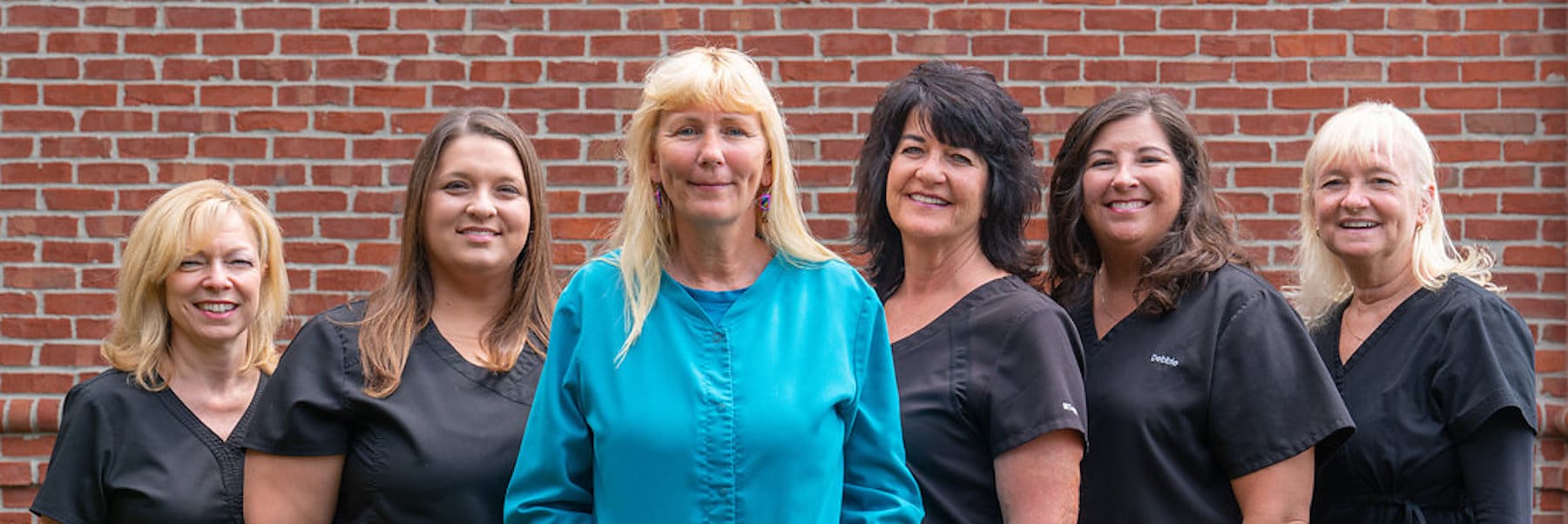
At Hidden Ravines Dental in Powell, OH, Dr. Janet Wolery and our team provide compassionate dental care focused on protecting your oral health and improving your comfort. Our office offers a range of dental services designed to help patients maintain healthy teeth and gums for years to come.
If you are experiencing dental pain, infection, or concerns about your oral health, call Hidden Ravines Dental at 740-369-1953 to schedule your consultation. Our team will evaluate your needs and help determine the best treatment plan to restore your smile and support your long-term oral health.