

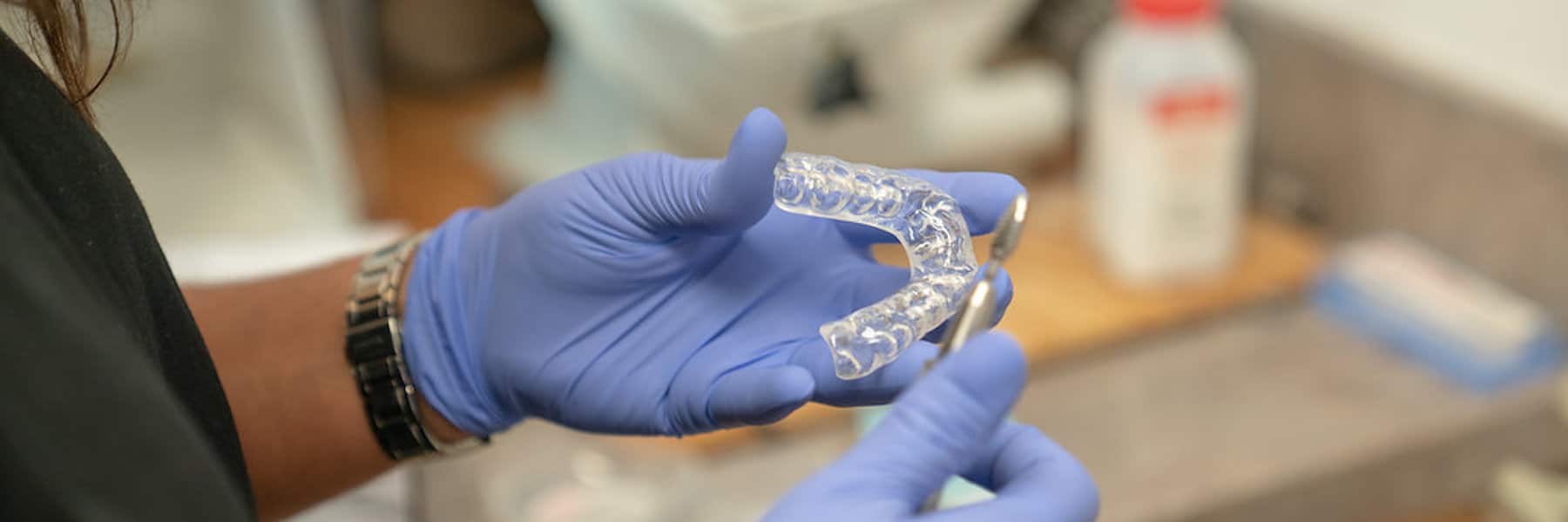
Jaw pain, headaches, and worn teeth can sometimes be signs of a common condition called bruxism, which involves clenching or grinding the teeth. Many people grind their teeth while sleeping and may not realize it until symptoms begin to appear. When left untreated, the effects of bruxism can lead to tooth wear, jaw soreness, and other dental health concerns.
At Hidden Ravines Dental in Powell, OH, patients can receive personalized dental care for concerns such as tooth grinding, TMJ issues, and jaw discomfort. Using modern dentistry techniques and custom dental appliances, our dental office works with patients to help protect their teeth and reduce stress on the jaw muscles.
Dr. Janet Wolery and the team at Hidden Ravines Dental provide solutions designed to protect the upper teeth and lower teeth from damage caused by grinding or clenching. Custom appliances, such as a night guard or occlusal splint, may help reduce muscle strain and support long-term dental health.
If you are experiencing jaw soreness, facial pain, or tension headaches, our team can evaluate your symptoms and recommend the right treatment.
What Is Bruxism and Why Does It Matter?
Bruxism refers to the habit of grinding or clenching your teeth. This often happens during sleep, but it can also occur during the day, especially during times of stress. Over time, this grinding can damage the hard outer layer of the teeth and place pressure on the jaw joints.
The American Dental Association notes that bruxism is a common condition that can affect people of all ages. When the upper teeth and bottom teeth grind against each other repeatedly, the enamel can wear down. This can lead to sensitive teeth, cracked teeth, or even severe teeth damage in some cases.
The effects of bruxism may also extend beyond the teeth. The repeated pressure placed on the temporomandibular joint, which connects the lower jaw to the skull, can lead to temporomandibular joint disorder. TMJ disorders can cause symptoms such as facial pain, muscle strain, jaw soreness, and tension headaches.
Recognizing these symptoms early allows dentists to recommend the right treatment before more serious dental work becomes necessary.
Signs and Symptoms of Teeth Grinding
Many people who grind their teeth are unaware of the habit because it often happens during sleep. However, there are several common symptoms that may indicate a problem.
Signs of bruxism may include:
- Jaw soreness when waking up
- Tension headaches in the morning
- A sore jaw or facial pain
- Tooth wear on the top front teeth or molars
- Cracked teeth or tooth damage
- Clicking or popping in the jaw joints
Grinding can also place pressure on dental restorations such as crowns, fillings, or implants. In some cases, excessive grinding may lead to fractures in dental work or cause restorations to wear down more quickly.
If these symptoms are present, a dental visit can help determine whether a night guard or occlusal splint may be helpful.
Bruxism Treatment Options
Occlusal guards and bite splints fit over the teeth to combat bruxism and to relieve the pain caused by tooth clenching and grinding. If you are experiencing unexplained jaw pain, tooth pain, and headaches, especially when you wake up in the morning, we may recommend a guard or splint.
When left unaddressed, bruxism and jaw clenching can lead to your teeth wearing away. This can eventually lead to fractured teeth or even tooth loss. Both of these are painful and expensive conditions to treat.
Occlusal Guards work to relax the jaw, which cuts down on grinding and prevents future tooth and jaw problems from forming. Bite splints focus less on the jaw and instead work to specifically keep your teeth from grinding. Both will help with bruxism and can prevent further damage to your mouth.
How Night Guards and Splints Work
A night guard or bite guard is a type of dental appliance designed to fit comfortably over the teeth. These appliances create a protective barrier between the upper and lower teeth during sleep.
When a patient grinds their teeth, the pressure is absorbed by the dental guard rather than the tooth enamel. This helps prevent tooth wear and protects the hard outer layer of the teeth from damage.
Some appliances, such as a stabilization splint, also help guide the lower jaw into a more relaxed position. This may help reduce pressure on the temporomandibular joint and decrease muscle strain in the jaw muscles.
Custom devices are typically made using an impression of your teeth and created in a dental lab. Because they are designed specifically for your mouth, they tend to be more comfortable and effective than store-bought mouth guard products.
Types of Occlusal Guards and Splints
Dentists may recommend different types of occlusal guards depending on a patient’s symptoms and needs. These dental devices serve different purposes and are designed to address various TMJ problems and grinding habits.
Common types of occlusal splints include:
- Stabilization splint
- Occlusal night guard
- Occlusal mouth guard
- Hydrostatic splint
- Bite guard for sleep bruxism
Some splints are made from hard acrylic materials, while others may use different materials designed to cushion the teeth. Hard acrylic guards are often used for patients with significant grinding because they provide durability and stability.
Your dentist will recommend the best option based on your symptoms, dental health, and treatment goals.
Benefits of Bite Splints and Night Guards
Occlusal guards and bite splints offer several important benefits for patients experiencing bruxism or TMJ issues.
Benefits may include:
- Protection against tooth damage and tooth wear
- Reduced pressure on the jaw joints
- Relief from facial pain and jaw soreness
- Protection for crowns, fillings, and dental restorations
- Improved comfort during sleep
These dental appliances can also help reduce the risk of dental emergencies caused by cracked teeth or severe grinding. By protecting the teeth and supporting the joints of the jaw, night guards are considered an effective way to manage many bruxism symptoms.
The Process for Getting a Custom Night Guard
Creating a custom night guard usually begins with a dental exam. During the appointment, the dentist will evaluate your teeth, jaw muscles, and temporomandibular joint to determine the right treatment approach.
Next, an impression of your teeth will be taken. This impression creates a detailed model of your upper and lower teeth. The model is sent to a dental lab, where technicians create a custom dental device that fits your bite.
Once the appliance is ready, the dentist will ensure it fits comfortably. Adjustments may be made to improve comfort and function. Many patients find that wearing a custom night guard reduces symptoms in a short time.
With proper care, these appliances can last for several years and continue to protect your dental health.
How Night Guards Support Long-Term Dental Health
Grinding and clenching place repeated pressure on teeth, restorations, and jaw joints. Over time, this stress can lead to tooth fractures, worn enamel, and TMJ disorders.
Night guards help reduce these risks by providing a protective barrier between the teeth. This helps prevent damage to natural teeth and existing dental work.
By reducing muscle strain and pressure on the temporomandibular joint, these appliances may also help relieve common symptoms such as jaw soreness and tension headaches.
Organizations such as the American Sleep Association note that managing bruxism and TMJ disorders early can help prevent long-term complications.
Caring for Your Dental Guard
Proper care is important for maintaining your night guard or occlusal splint. With good maintenance habits, your appliance can remain clean and effective.
Helpful care tips include:
- Rinse the guard with cool water after use
- Brush it gently with a soft toothbrush
- Store it in a protective case
- Bring it to dental visits for evaluation
Your dentist can check the appliance during routine appointments to ensure it continues to fit properly and protect your teeth.
Bite Splints and Night Guard FAQ
Many patients have questions about bruxism, TMJ problems, and dental guards. Learning how these devices work can help patients feel more confident about their treatment options. Below are answers to several common questions about bite splints and night guards.
What is the difference between a bite splint and a night guard?
A bite splint and a night guard are both dental appliances designed to protect teeth from grinding and clenching. A night guard primarily creates a barrier between the upper teeth and the lower teeth. A stabilization splint may also adjust the position of the lower jaw to reduce stress on the temporomandibular joint and jaw muscles.
How do dentists determine the right type of splint?
Dentists evaluate several factors when recommending a dental device, including symptoms, bite alignment, and jaw function. A dental exam helps identify issues such as tooth wear, jaw soreness, or temporomandibular joint disorder. Based on these findings, the dentist may recommend one of several types of occlusal guards designed to address specific TMJ issues.
Are custom night guards better than store-bought mouth guards?
Custom night guards are designed using an impression of your teeth and created in a dental lab. Because they fit precisely, they tend to be more comfortable and durable than store-bought options. Custom appliances are also designed to support proper bite alignment and protect dental restorations, which can improve long-term dental health.
Can bite guards help with TMJ problems?
Bite guards may help reduce symptoms associated with TMJ disorders by decreasing pressure on the temporomandibular joint and surrounding muscles. By guiding the lower jaw into a more stable position, certain types of splints may reduce muscle strain and jaw soreness. However, treatment recommendations may vary depending on the cause of the TMJ problems.
How long does a night guard last?
The lifespan of a night guard depends on factors such as grinding intensity, materials used, and how well the appliance is maintained. Many custom night guards made from durable materials like hard acrylic can last several years. Regular dental visits allow dentists to evaluate the appliance and determine whether adjustments or replacement are needed.
Protect Your Smile at Hidden Ravines Dental
Jaw pain, worn teeth, and tension headaches can affect your daily comfort and long-term dental health. Custom bite splints and night guards can help protect your teeth, reduce pressure on the jaw joints, and prevent the effects of bruxism.
At Hidden Ravines Dental in Powell, OH, Dr. Janet Wolery and our team are committed to helping patients find the right treatment for their symptoms. Our dental office provides personalized care and custom appliances designed to support comfortable and effective results.
If you are experiencing jaw soreness, facial pain, or signs of teeth grinding, contact Hidden Ravines Dental at 740-369-1953 to schedule your dental appointment. Our team is here to help protect your smile and support your long-term oral health.