

Healthy gums are an important part of a healthy smile. Gum tissue supports the teeth and protects the structures that keep them stable. When gum disease develops, it can damage the supporting structures of the teeth, including the periodontal ligament and surrounding bone. Without proper periodontal treatment, this damage may lead to gum recession, bone loss, or even tooth loss.
Many patients first notice the early stages of gum disease through symptoms like bleeding gums, swelling, or bad breath. These signs of gum disease can often be managed with improved oral hygiene practices and professional dental care. However, when periodontal disease progresses to more advanced stages, surgical procedures may be recommended to protect oral health and restore healthy gum tissue.
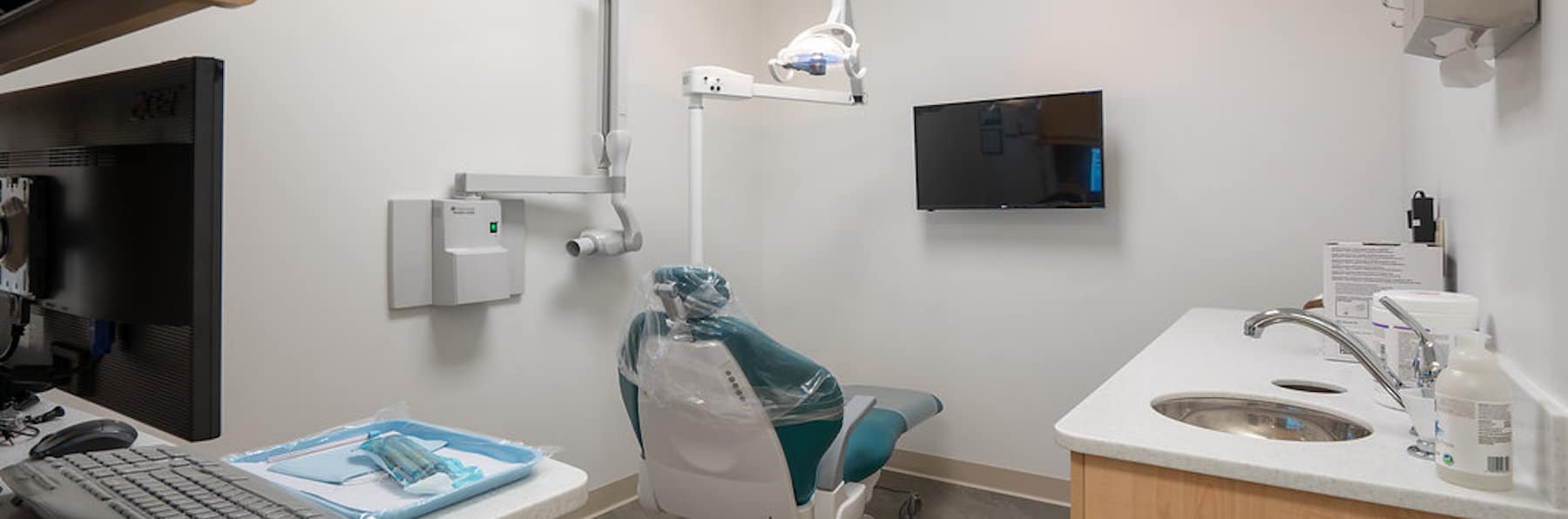
At Hidden Ravines Dental in Powell, OH, our dental office provides personalized care to help patients manage gum disease and protect their smiles. Dr. Janet Wolery and the team evaluate each patient’s medical history, oral health, and gum condition to determine whether periodontal surgery or another periodontal treatment may be appropriate.
Periodontal Surgery for Gum Disease
If you are suffering from gum disease, we may recommend periodontal surgery. Periodontal surgery can prevent future gum damage and can restore and reshape the bones in your mouth. Gum disease can produce a wide array of symptoms, including bloody or swollen gums, loose teeth, bad breath, pain, and a receding gum line. These symptoms range from inconvenient to disruptive, and surgery may be the only effective solution.
Surgery for gum disease ranges from flap surgery to bone grafting and everything in between. We will analyze your individual needs and determine which procedure is best for you. For the surgery, you will be given a sedative or anesthesia, so it is important to have a ride home after your procedure.
Schedule a Periodontal Surgery Consult in Powell
If you are having gum pain or discomfort, or notice that your gums are swollen or receding, call our office immediately.
What Causes Periodontal Disease
Periodontal disease is a bacterial infection that affects the gum tissue and the supporting structures of the teeth. It often begins when dental plaque builds up along the gum line due to poor oral hygiene.
In the early stages, gums may become red, swollen, or bleed when brushing. Without treatment, the infection can spread deeper into the gums and affect the periodontal ligament and surrounding bone. Over time, the gum tissue pulls away from the teeth, creating pockets where bacteria collect.
Several risk factors may increase the likelihood of developing gum disease, including:
- Poor oral hygiene
- Tobacco use
- Certain medical conditions
- Genetics
- Hormonal changes
Addressing these factors early can help prevent advanced gum disease.
Signs of Gum Disease That May Require Surgery
Some patients may not realize they have periodontal disease until symptoms become more noticeable. In moderate to severe cases, surgical procedures may be needed to treat the affected area and protect the teeth.
Common warning signs include:
- Bleeding or swollen gums
- Gum recession
- Persistent bad breath
- Loose teeth
- Pain while chewing
- Exposed roots
These symptoms may indicate damage to the supporting structures of the teeth. If gum disease becomes severe periodontal disease, surgery may be recommended to restore oral health.
Types of Minor Periodontal Surgeries
Several types of minor periodontal surgeries are used to treat gum disease and repair damaged tissues. The type of surgical procedure recommended depends on the condition of the gums and bone.
Common procedures include:
- Pocket reduction surgery
- Gum graft or gum grafting
- Connective tissue graft
- Free gingival graft
- Crown lengthening
- Bone graft procedures
- Guided bone regeneration
Pocket reduction surgery reduces the space between the tooth and gum tissue where bacteria accumulate. Bone graft procedures may be used when bone loss has occurred around the tooth root.
Gum Grafting and Treatment for Gum Recession
Gum recession occurs when gum tissue pulls away from the tooth root. This can expose sensitive root surfaces and increase the risk of tooth decay and tooth loss.
Gum grafting is a surgical procedure used to replace lost gum tissue and protect exposed roots. During this procedure, a small amount of tissue may be taken from the roof of your mouth or another donor site and placed over the affected area.
There are several types of gum graft procedures, including:
- Connective tissue graft
- Free gingival graft
- Soft tissue grafts
These procedures help restore healthy gum tissue and improve the appearance of the gums.
Bone Grafting and Tissue Regeneration
When periodontal disease leads to bone loss, bone grafting may be recommended. A bone graft helps rebuild the bone that supports the teeth and encourages periodontal regeneration.
During this procedure, grafting material may be placed around the tooth root to stimulate new bone growth. In some cases, growth factors or enamel matrix derivative materials may be used to support tissue regeneration.
Guided bone regeneration may also be used to help rebuild the supporting structures of the teeth. These treatments aim to restore stability and reduce the risk of tooth loss.
Benefits of Minor Periodontal Surgery
Minor periodontal surgeries can help treat advanced gum disease and restore the health of the gums and bone. These procedures are often recommended when non-surgical treatments such as scaling and root planing are not enough.
Benefits may include:
- Reduction of periodontal pockets
- Protection against tooth loss
- Restoration of healthy gum tissue
- Improvement in the appearance of your smile
- Reduced risk of infection
- Improved long-term oral health
By treating the underlying infection and repairing damaged tissue, periodontal surgery can help protect the structures of the teeth and support overall oral health.
What to Expect During Periodontal Surgery
Most minor periodontal surgeries are performed using local anesthesia to keep patients comfortable during the procedure. In some cases, sedation may also be used depending on the type of treatment and the patient’s needs.
During the procedure, the dentist carefully treats the affected area and may reshape gum tissue or bone. The surgical site is then cleaned and secured to promote proper healing.
After surgery, patients may receive instructions for the healing process. Pain medication may be recommended to manage temporary discomfort while the gum tissue heals.
Recovery and the Healing Process
The healing process following periodontal surgery varies depending on the type of procedure performed. In most cases, patients can return to normal activities within a few days.
It is important to follow all aftercare instructions provided by your dental office. Maintaining good oral hygiene and avoiding irritation around the surgical site can help support proper healing.
Patients may also be advised to avoid certain foods while the gums heal. Regular follow-up visits allow dental professionals to monitor healing and ensure the success of the procedure.
Maintaining Healthy Gums After Treatment
After periodontal treatment, maintaining healthy gums becomes an important part of preventing future problems. Consistent oral hygiene practices can help protect gum tissue and reduce the risk of infection.
Helpful habits include:
- Brushing teeth twice daily
- Flossing regularly
- Attending routine dental visits
- Following your dentist’s recommendations
- Avoiding tobacco use
These steps help maintain healthy gum tissue and protect the supporting structures of the teeth.
FAQ About Minor Periodontal Surgery
Many patients have questions when they learn they may need periodontal surgery. Understanding the purpose of these procedures and how they support oral health can help patients feel more confident about their treatment. The following questions address some of the most common concerns about minor periodontal surgeries.
When is periodontal surgery necessary?
Periodontal surgery may be recommended when gum disease has progressed to advanced stages and non-surgical treatments are no longer effective. In these cases, bacteria may have damaged gum tissue, bone, and the supporting structures of the teeth. Surgery helps remove infection and repair damaged areas to protect long-term oral health.
Is periodontal surgery painful?
Most periodontal surgeries are performed using local anesthesia, which helps keep patients comfortable during the procedure. Some patients may experience mild soreness or swelling afterward, but pain medication can help manage these symptoms. Dentists provide detailed aftercare instructions to help ensure a smooth and comfortable healing process.
How long does it take to recover from periodontal surgery?
Recovery time depends on the type of surgical procedure performed and the patient’s overall health. Many patients return to normal activities within a few days, although the gums may take longer to fully heal. Following proper oral hygiene practices and attending follow-up visits helps support successful healing.
Can gum recession be reversed?
Gum recession cannot usually grow back on its own once tissue has been lost. However, procedures such as gum grafting can restore lost gum tissue and protect exposed roots. These treatments help improve the appearance of the gums and protect the tooth root from damage.
How can I prevent gum disease from returning?
Preventing gum disease involves maintaining good oral hygiene and attending regular dental visits. Brushing, flossing, and professional cleanings help remove plaque and bacteria that can cause infection. Patients should also discuss lifestyle factors such as tobacco use or medical conditions that may increase the risk of gum disease.
Protect Your Gum Health with Expert Care
Gum health plays a critical role in maintaining strong teeth and overall oral health. Treating periodontal disease early can help prevent complications such as bone loss, gum recession, and tooth loss.
At Hidden Ravines Dental in Powell, OH, Dr. Janet Wolery and the team provide personalized periodontal care designed to protect your smile and restore healthy gum tissue. If you are experiencing signs of gum disease or have concerns about your gums, our dental office is here to help.
Call Hidden Ravines Dental at 740-369-1953 to schedule your periodontal consultation and learn how our team can help you protect your oral health and maintain a confident, healthy smile