
Halloween Candy and Tooth Cracks: What to Do If You Break a Tooth on a Sweet Treat
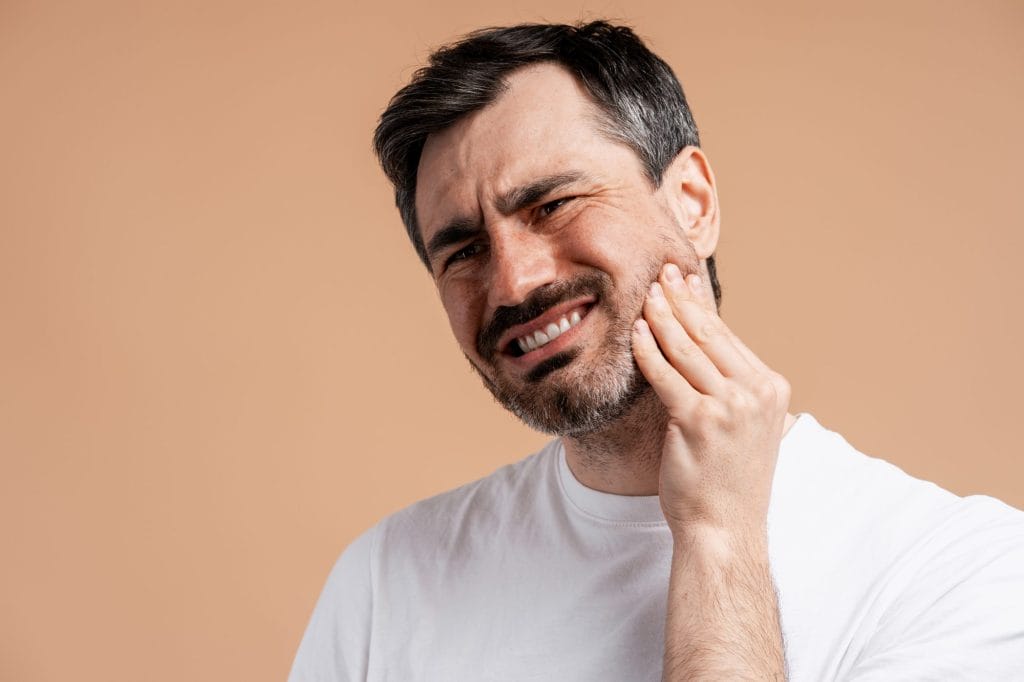
Halloween is supposed to be fun, not painful. But one bite into a peppermint stick or a piece of hard candy can quickly turn into an “Uh-oh” moment, especially if you have older dental work or a hidden weak spot in your tooth enamel. If you suspect a cracked tooth from candy, knowing what to do next can help you stay comfortable and protect your smile.
At Hidden Ravines Dental in Powell, OH, we see seasonal dental emergencies like this every year. The good news is that many teeth can be treated successfully with the right care and early diagnosis. Here’s how to recognize signs of damage, what to do at home, and when to call for emergency dentistry.
Can Halloween candy crack a tooth?
Yes. Biting down on hard candy, a popcorn kernel, or even plastic tags from candy packaging can cause a cracked tooth, a fractured cusp, or a small break along the gum line. If you notice sudden pain, rough edges, or sensitivity, treat it as a possible dental emergency and contact a dental office for guidance.
Why candy can cause a cracked tooth
A cracked tooth often happens when a tooth takes more pressure than it can handle. Halloween treats create the perfect storm: hard foods, sticky textures, and quick snacking when you’re distracted. Even if you have great dental health, one unlucky bite can trigger tooth cracks, especially in teeth with large fillings or older dental crowns.
Common causes we see around Halloween include biting down on hard candy, chewing ice, crunching unpopped kernels in caramel corn, and using your teeth to open wrappers. These “just this once” moments can create a hairline crack that is hard to see but painful, or a fractured tooth that breaks more dramatically.
Signs of damage: How to tell if a tooth is cracked or broken
Sometimes a damaged tooth is obvious, like when you see a piece missing or feel a sharp edge against your cheek. Other times, the symptoms come and go, which can make people wait. The American Association of Endodontists describes cracked tooth syndrome as pain that can be inconsistent, especially when biting or releasing pressure.
Watch for signs of damage like these:
- Pain when you bite down, especially on one side
- Sensitivity to cold air, sweets, or temperature changes
- Rough edges that catch your tongue
- A visible crack in the mirror (use a bright light to check)
- Swelling or tenderness in gum tissue near the tooth
- Persistent pain that lingers after chewing
If you develop severe pain, swelling, or a pimple-like bump that could indicate a tooth abscess, call a dentist immediately. These are serious issues that can worsen without treatment.
What to do right away for a cracked tooth from candy
If you think you have a cracked tooth from candy, start with calm, practical first aid. These steps can protect the area until you get professional dental care:
- Rinse with warm water. This clears sugar and debris and soothes irritated gum tissue.
- Use a cold compress. Apply it to reduce swelling and relax facial muscles.
- Avoid chewing on that side. Stick to soft foods and room-temperature drinks to prevent further damage.
- Protect sharp edges. Use dental wax to cover rough spots temporarily. Avoid household glue, which can irritate tissues.
- Manage discomfort. Use over-the-counter pain relief as directed and note what worsens symptoms.
If you experience uncontrolled bleeding, trouble breathing, or significant facial swelling, seek medical care immediately. These symptoms may indicate a more serious issue.
When it’s a dental emergency (and when it can wait)
A chipped tooth without pain may wait for a regular appointment, but a tooth fracture can involve deeper layers like the dental pulp. If you’re unsure, calling an emergency dentist is the safest next step.
Seek urgent help if you notice:
- Severe tooth pain that interrupts sleep or daily activities
- A fractured tooth with a visible crack or missing piece
- Swelling along the gum line or in the face
- Ongoing bleeding after an injury
- Pain that worsens over time
Even a small break can expose the tooth pulp or leave the tooth vulnerable to infection. Early diagnosis keeps treatment options simpler and reduces the risk of tooth loss.
Why you shouldn’t ignore tooth cracks
Tooth enamel is strong, but once it cracks, it doesn’t “heal back together.” A crack can allow bacteria and pressure to travel deeper into the tooth, irritating the pulp and increasing the risk of infection. Over time, this can lead to root canal therapy or, in advanced cases, tooth extraction.
Think of it like a crack in a windshield. A tiny line may seem stable, but stress can spread it. Teeth behave similarly when you continue chewing on the area, especially on hard foods.
What to expect at Hidden Ravines Dental for a candy-related dental emergency
When you visit us for emergency dentistry in Powell, our first goal is to help you feel comfortable and get clear answers. We start with a dental exam and a conversation about what happened, including possible causes, when the pain started, and whether the tooth hurts with biting or temperature.
Your visit may include digital x-rays to evaluate the tooth and surrounding structures. In some cases, additional imaging like cone beam CT may be recommended to see details not visible on standard x-rays. From there, we’ll explain treatment options in plain language so you can make a confident decision.
Treatment options for a cracked tooth from candy
The right repair process depends on how deep the crack goes and how stable the tooth is. Common treatment paths include:
- Small crack or minor fracture: Smoothing rough edges, restoring shape, or repairing with tooth-colored fillings (composite).
- Fractured cusp or larger damage: A dental crown may be recommended to protect the tooth and restore chewing function.
- Infection or deep damage near the nerve: Root canal therapy can remove inflamed or infected tissue and preserve the tooth. Many teeth need a crown afterward for strength.
- Tooth cannot be saved: Extraction may be necessary, followed by replacement options like a dental implant to prevent bone loss.
Early evaluation protects more of your natural tooth and broadens your treatment options.
If you crack a crown or bridge on candy
Sticky candy can pull at restorations, and hard candy can create damaging bite force. If your dental crown feels loose, your bite suddenly feels “off,” or you notice new sensitivity around a crown margin, treat it like a cracked tooth from candy and call.
Avoid chewing on that side, and do not attempt to reattach anything with household glue. A loose crown can sometimes be stabilized and re-cemented if the tooth underneath is healthy. If the underlying tooth is cracked or decayed, updated dental work may be needed to restore strength.
How to lower your risk next Halloween
Halloween can still be fun with a few simple habits to protect your dental health:
- Choose softer treats and break hard candy into smaller pieces instead of biting down.
- Avoid chewing hard things like ice or popcorn kernels, especially if you have fillings or crowns.
- Never use teeth as tools to open wrappers or twist plastic tags.
- Wear a mouth guard for contact sports or active fall activities.
- Keep up with regular checkups to address weak areas early.
These small steps help reduce the risk of tooth fractures and keep your smile strong year-round.
Need help in Powell, OH? We’re here for you.
If you think you have a cracked tooth from candy, a broken tooth, or a crown problem after Halloween treats, Hidden Ravines Dental is here to help. Our emergency dentistry team in Powell, OH can evaluate the damage, explain your treatment options, and guide you toward the best next step.
Contact us to schedule an appointment. We’d love to help you feel comfortable and protect your smile.
Related Posts
Halloween Candy and Tooth Cracks: What to Do If You Break a Tooth on a Sweet Treat
Halloween is supposed to be fun, not painful. But one bite into a peppermint...