
When Your Tooth Hurts Only When You Bite: Common Causes and What to Do Next
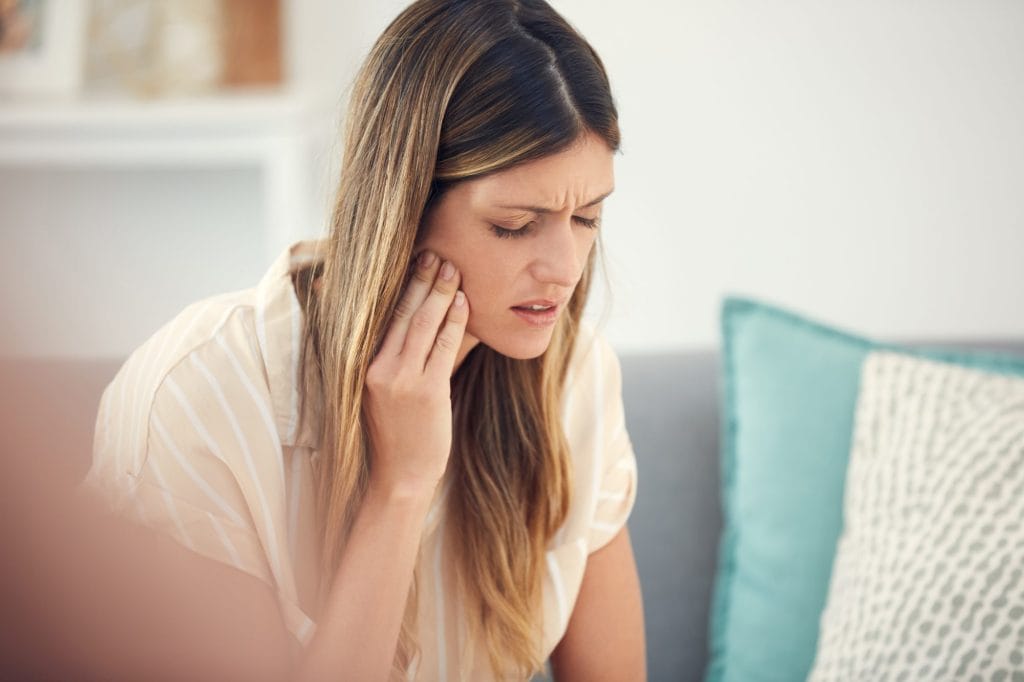
You take a bite of food and feel a quick jolt of tooth pain when biting down. Then, a few minutes later, everything feels normal again. This kind of “bite-only” discomfort is surprisingly common, and it can be confusing because there may be no obvious symptoms when you are resting.
For many people, this type of biting pain points to a specific trigger, such as extra pressure on one spot of the tooth, a problem with a filling, or a cracked tooth that is hard to see with the naked eye. The good news is that a focused dental exam can usually narrow down the root cause and help you avoid further damage.
Why does tooth pain when biting down happen if the tooth feels fine otherwise?
Pain that shows up mainly during chewing often means something shifts or compresses when you bite. Your molars take the brunt of the weight, so they are common “culprits,” but upper teeth and lower teeth can both be affected. Sometimes the tooth enamel looks intact, yet the deeper layers like dentin or the pulp are irritated.
This pattern can also happen when the tooth’s contact point is off, such as after new filling dental work, or when hairline fractures open slightly under pressure. The most important step is identifying which tooth is affected and what is happening beneath the surface, since the right treatment depends on a clear, accurate diagnosis.
Common causes of tooth pain when chewing
Several dental conditions can cause discomfort only when you bite. Some are simple to fix, and others need timely care to prevent worsening tooth decay or infection.
A cracked tooth or hairline fractures
A cracked tooth can cause sharp pain when you bite, then feel fine afterward. Cracks aren’t always visible to the naked eye, and a small fracture can still cause tenderness when the tooth flexes under extra pressure. Cracks can start from chewing hard foods, an older filling, or long-term clenching and bruxism. Early evaluation can help protect the tooth and reduce the risk of needing more complex care later.
A high filling or a new filling that hits first
After a filling, even a slight change in how your teeth come together can irritate the tooth. If one area hits first, it can feel like the tooth is taking too much force. Patients often describe this as sore teeth or a “too tall” filling that creates biting pain. This is one of the more straightforward dental problems to correct, but it still deserves attention.
Tooth decay or cavities
Cavities do not always cause constant toothache. A small hole in the enamel can progress quietly, then create discomfort when you chew and food pressure reaches sensitive areas. Decay closer to the gumline or root surface can be especially uncomfortable, particularly if gum recession has exposed the area. Catching cavities early often means simpler treatment and less risk to the tooth roots.
Inflammation inside the tooth (pulp irritation)
When the pulp becomes inflamed, you may feel a dull ache or pain that flares when you chew. This can happen after a deep cavity, repeated dental work, or a crack that lets bacteria reach the inner tooth. If the irritation progresses to infection, your dentist may recommend root canal therapy to remove infected tissue and protect the tooth’s roots.
Infection or dental abscess
A dental abscess can cause bite pain, and it may bring other symptoms like swelling, facial swelling, a bad taste, or tenderness in the gums. An abscess is often described as a pocket of pus caused by an infection near the tip of the root or around the tooth roots. If you suspect an infection, contact a dentist promptly to prevent it from spreading.
Gum disease and painful pressure
Gum disease can make a tooth feel sore when biting, especially if the supporting tissues are inflamed. When the gums pull away from the tooth, gum recession can expose sensitive areas and increase discomfort. Treating the underlying issue helps improve comfort and long-term health.
Clenching, bruxism, and bite overload
Clenching at night or during stress can strain the teeth and supporting tissues, leading to sensitivity and chewing discomfort. Over time, bruxism can contribute to cracks, worn enamel, and irritated ligaments around the tooth roots. If clenching is part of the root cause, your dentist may discuss ways to reduce stress on the tooth and protect it going forward.
Sinus pressure that mimics tooth pain
Sinuses sit close to the roots of your upper teeth, and sinus pressure can sometimes create a toothache-like sensation. This can feel worse when you chew, even without a cavity or crack. Because sinus-related discomfort can imitate dental problems, it is still worth getting a dental exam to confirm the root cause.
Warning signs that mean you should call an emergency dentist
Some bite pain can wait for a regular visit, but certain warning signs call for faster care. If you notice any of the following, reaching out for emergency dentistry support is a smart next step:
- Swelling in the gums or facial swelling
- Severe sharp pain that interferes with eating or sleeping
- A bad taste, drainage, or signs of an abscess
- Pain that is worsening quickly or spreading
- A cracked tooth or injury that occurred during biting or chewing
Hidden Ravines Dental in Powell, OH can help you sort out what is urgent and what can be scheduled soon, so you feel supported and informed.
What to expect at a dental exam for tooth pain when biting down
When you come in for tooth pain when biting down, the appointment focuses on pinpointing the affected tooth and finding the source of the pressure. Your dentist will review your symptoms, examine the tooth and gums, and may recommend digital X-rays for a more complete view. Since cracks and deep decay can be hidden, imaging helps with accurate diagnosis when the issue isn’t visible to the naked eye.
From there, you will talk through treatment options in clear, practical terms. If you need immediate relief, the goal is to stabilize the tooth and reduce discomfort. If the problem involves a fracture, a compromised filling, or significant decay, your care plan may include restoring the tooth to prevent further damage.
When a crown can help with biting pain and protect the tooth
A dental crown acts like a protective cap that covers a weakened tooth. Dentists commonly recommend crowns when a tooth has a large filling, extensive cavities, or damage that makes it vulnerable to cracking under chewing forces. If bite pain is linked to a crack or a tooth that has lost a lot of structure, a crown can help restore strength and function.
At Hidden Ravines Dental, crowns are designed to fit comfortably and look natural, with porcelain or ceramic options that blend with your smile. The process typically takes two visits: one to prepare the tooth and take impressions, then a second to place the final crown. Many patients appreciate that a properly fitted crown can make biting comfortable again and help protect the tooth long term.
How to reduce discomfort at home while you wait for care
While home care does not replace treatment, a few steps can help reduce discomfort until your visit:
- Chew on the opposite side to avoid extra pressure on the sore area
- Avoid very hard or sticky foods that can worsen biting pain
- Use a soft toothbrush and avoid aggressive tooth brushing around tender gums
- Rinse gently with warm salt water if the gums feel irritated
- Consider over-the-counter pain relief as directed on the label
If you suspect an abscess, have swelling, or feel intense tooth pain, do not wait it out. Call for guidance.
Getting help in Powell, OH for tooth pain when biting down
Bite-only pain rarely improves if you ignore it, and early care often keeps treatment simpler. If you are dealing with tooth pain when biting down, our team at Hidden Ravines Dental in Powell, OH is here to help you feel comfortable every step of the way. We will listen to your symptoms, perform a thorough dental exam, and guide you toward the right treatment, whether that means a simple adjustment, emergency dental care, or a crown to protect a compromised tooth.
If you need help deciding what to do next, call Hidden Ravines Dental at 740-369-1953 to schedule an appointment and get answers you can trust.
Related Posts
When Your Tooth Hurts Only When You Bite: Common Causes and What to Do Next
You take a bite of food and feel a quick jolt of tooth pain when biting down....